
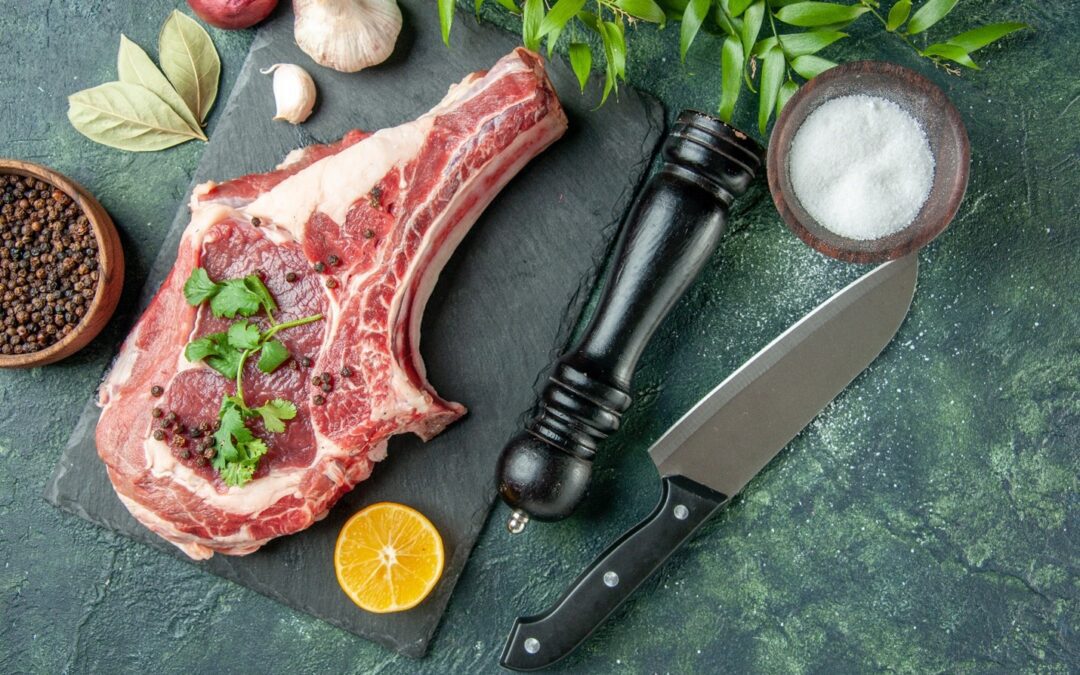
Anyone who has handled a wagyu beef tomahawk steak knows the difference starts before it ever touches heat. The weight feels different. The texture under the fingers tells you this isn’t ordinary beef. Even raw, it carries a quiet confidence, dense yet pliable, with marbling that looks intentional rather than excessive. At La Carniceria Prime Meat Market, we see that reaction daily, and it’s usually followed by the same question: Why is this so much more tender than regular beef?
1. The Tomahawk Cut Sets the Foundation
A tomahawk steak comes from the rib section, left thick and finished with a long, frenched bone. This isn’t a decorative choice. The rib muscle works less than many other parts of the animal, which already gives it a natural softness. In regular beef, that tenderness can still vary. With Wagyu, the difference becomes unmistakable.
When we prepare a wagyu beef tomahawk steak at our wagyu meat shop, we’re working with a cut that holds heat evenly and protects its interior. The thickness matters. Thin steaks cook fast and punish mistakes. A tomahawk allows the meat to relax as it cooks. That alone improves tenderness, before marbling even enters the conversation.
2. Marbling Isn’t About Richness, It’s About Behavior
People talk about marbling as if it’s only about indulgence. That’s missing the point. In Wagyu, fat isn’t layered on the outside or clumped in heavy seams. It’s woven into the muscle itself. This changes how the meat reacts to heat.
As a wagyu beef tomahawk steak cooks, the fat melts slowly and evenly, loosening muscle fibers instead of tightening them. Regular beef, even when well-marbled by conventional standards, tends to firm up as moisture escapes. Wagyu stays supple. You feel it when slicing. You notice it immediately when chewing. There’s no resistance, no dry center waiting to be rescued by sauce.
3. Why Japanese Wagyu Tomahawk Steak Feels Different Altogether
A Japanese wagyu tomahawk steak pushes this tenderness even further. The structure of Japanese Wagyu is finer, with less coarse muscle and more integrated fat. The result is meat that feels almost elastic when raw and remarkably soft once cooked.
At La Carniceria Prime Meat Market, we don’t frame Japanese Wagyu as “better” in a generic sense. It’s simply different. It cooks faster, rests shorter, and rewards restraint. Overhandling it ruins the experience. Letting it be itself, that’s where the tenderness shines.
4. Handling and Sourcing Matter More Than Most Admit
Tenderness isn’t guaranteed just because a label says Wagyu. How the meat is sourced, cut, and stored plays a larger role than people like to admit. As a wagyu meat shop, we’re selective because inconsistency shows up immediately in texture.
We avoid over-trimming. We don’t rush breakdowns. We respect the cut’s natural grain. All of that keeps the steak intact. Regular beef can survive rough handling. Wagyu exposes it.
That’s why customers return specifically to La Carniceria Prime Meat Market for this cut. They’re not chasing novelty. They want predictability, the kind that shows up when a steak cooks evenly and cuts cleanly without effort.
5. Cooking Reveals the Truth
Regular beef tightens under high heat. You work around it, reverse sears, marinades, resting tricks. Wagyu doesn’t fight you. A wagyu beef tomahawk steak renders internally, maintaining softness even at higher temperatures.
A Japanese wagyu tomahawk steak takes this further. It doesn’t need heavy seasoning or extended cook times. In fact, pushing it too hard dulls what makes it special. The tenderness comes from restraint, simple seasoning, controlled heat, and proper rest.
Why We Stand Behind This Cut
At La Carniceria Prime Meat Market, Wagyu isn’t an afterthought or a luxury corner item. It’s part of how we define quality. Our wagyu meat shop exists for customers who care about how meat behaves, not just how it looks on a plate.
The tenderness of a wagyu tomahawk isn’t hype. It’s structural. It’s repeatable. And once you understand why it’s different, regular beef starts to feel like a compromise rather than a default.
Conclusion
The tenderness of a Wagyu beef tomahawk steak comes down to the rib cut’s natural softness, the way Wagyu fat integrates into muscle, and the care taken from sourcing to preparation. A Japanese wagyu tomahawk steak refines that experience even further, offering unmatched texture without relying on tricks or excess. At La Carniceria Prime Meat Market, our role as a wagyu meat shop is simple: provide meat that performs exactly as it should, clean, tender, and honest. Regular beef has its place. Wagyu, when done right, stands apart.
FAQs
1. Why is a wagyu beef tomahawk steak more tender than regular beef?
It’s fine marbling melts during cooking, relaxing muscle fibers and creating a softer texture than conventional beef cuts.
2. Does a Japanese wagyu tomahawk steak cook differently than regular beef?
Yes, it cooks faster, renders fat evenly, and requires gentler heat to preserve its naturally tender structure.
3. Is tenderness affected by where you buy a Wagyu beef tomahawk steak?
Absolutely. A trusted wagyu meat shop ensures proper sourcing, cutting, and handling, which directly impacts final tenderness.
4. Does the tomahawk cut itself improve tenderness?
Yes, the rib cut works less, stays thicker, and retains moisture, making it inherently more tender when combined with Wagyu.
5. Can regular beef achieve the same tenderness as Wagyu?
No. Cooking techniques help, but regular beef lacks Wagyu’s internal fat structure that naturally creates superior tenderness.